  • Hair Restoration 

    Millions of men and women experience hair loss—often earlier and faster than expected. At The Petrus Center's Hair Restoration Institute in North Little Rock, board-certified facial plastic surgeon Dr. Gary Petrus offers physician-led, scientifically-advance surgical and non-surgical hair restoration designed to create natural, age-appropriate results.

Why Do People Lose Their Hair?

Hair loss is very common and can be caused by several factors. Understanding the underlying cause is the first step toward selecting the right treatment.

Common signs:

  • Receding hairline

  • Thinning at the crown

  • Widening part in women

  • Overall reduction in density


Genetic Hair Loss (Androgenetic Alopecia)

The most common cause of thinning hair in both men and women. Genetics and hormones gradually shrink hair follicles and reduce follicle inactivity.

Scarring or Traction Hair Loss

Tight hairstyles, previous surgeries, or inflammatory conditions can damage follicles permanently in some cases.

Age-Related Changes

Hair naturally becomes finer over time. Growth cycles shorten, and follicles may produce less-dense hair. Hair is often a proxy for the overall age and vitality of a person, which is why so many seek to restore it.

Stress, Illness, and Medications

Significant physical or emotional stress, major medical conditions, and certain medications (including GLP-1s) can cause temporary shedding.

Hair Transplants

What is a Hair Transplant?

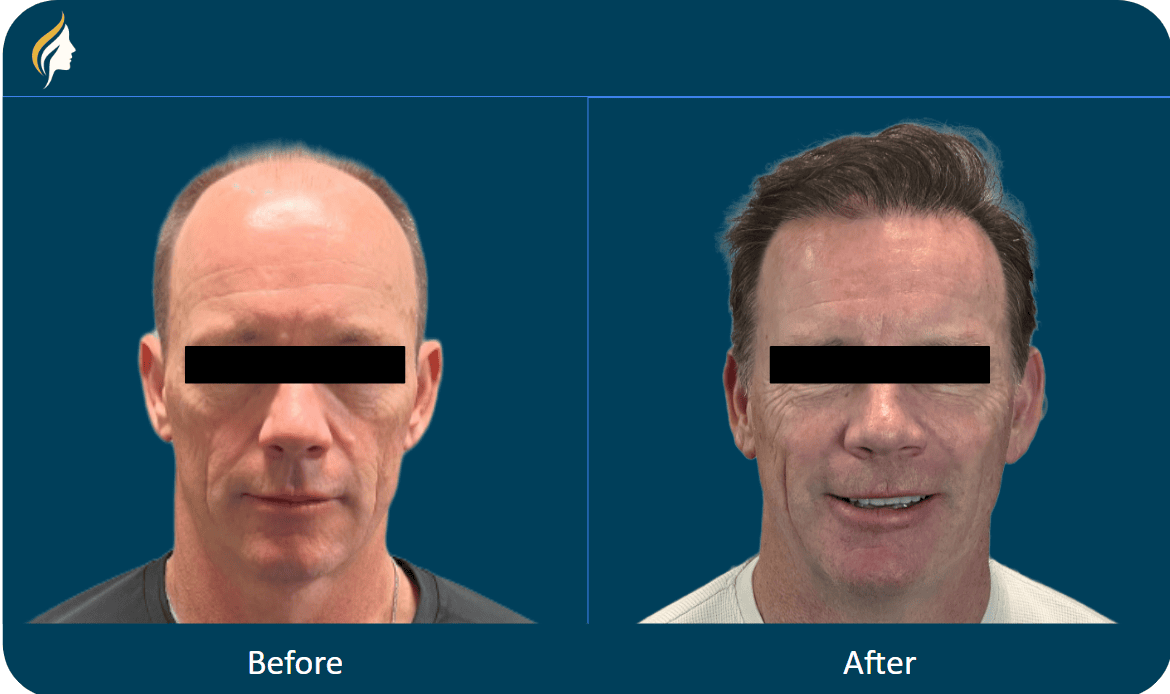
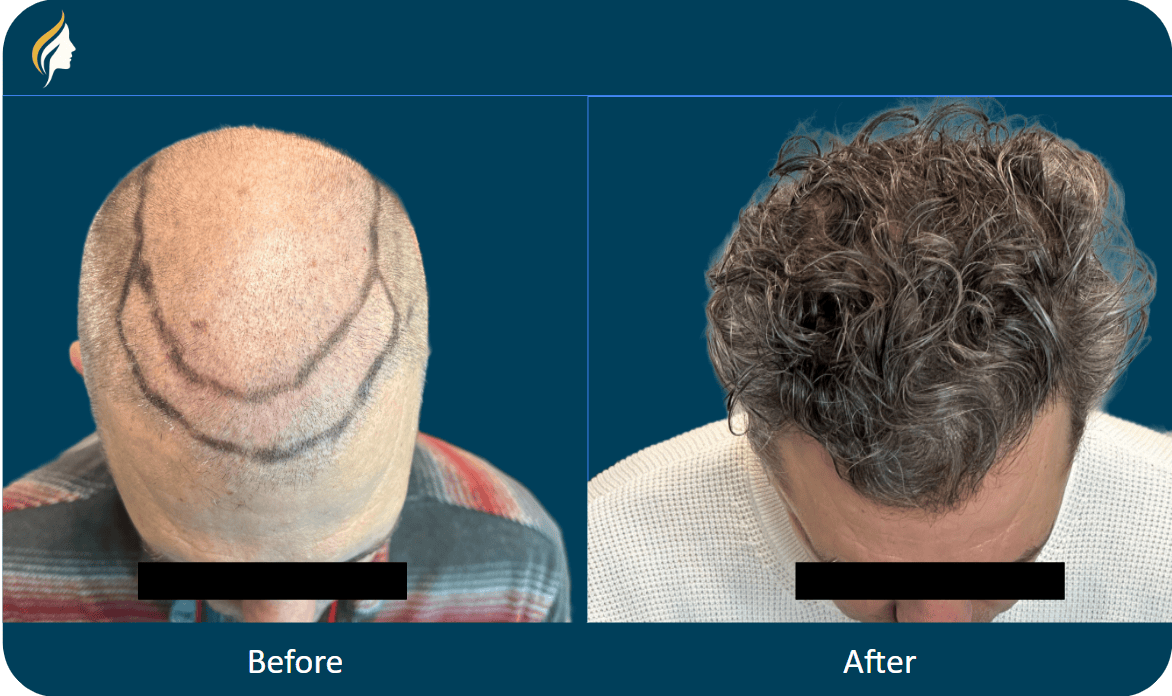
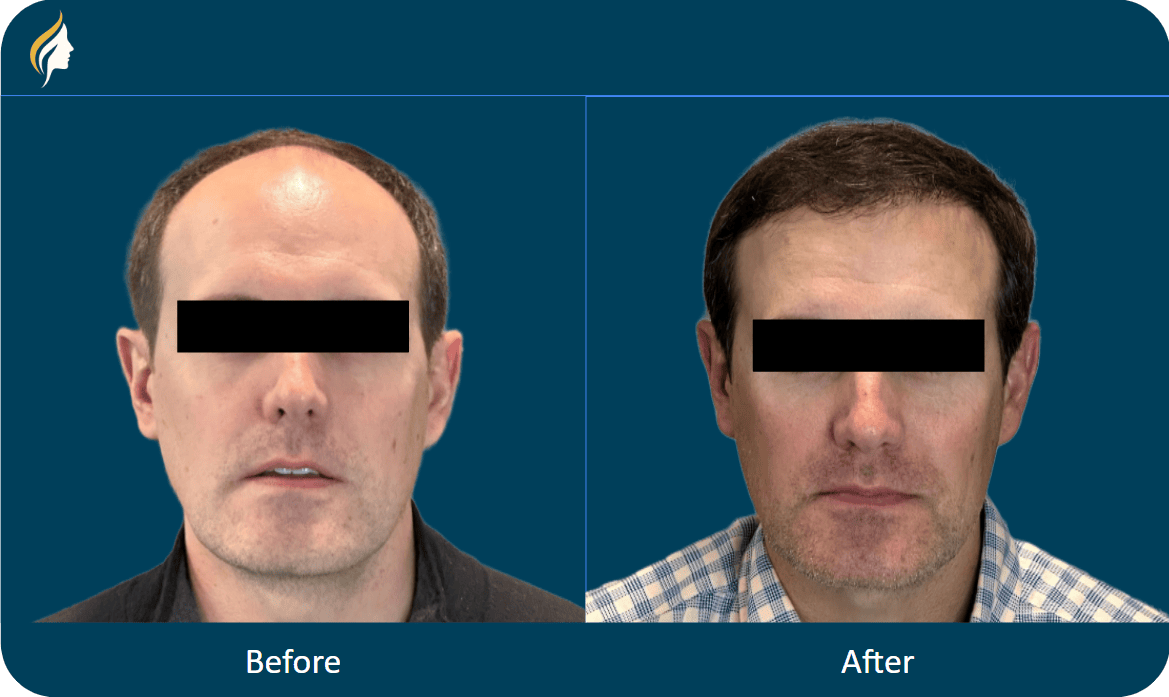
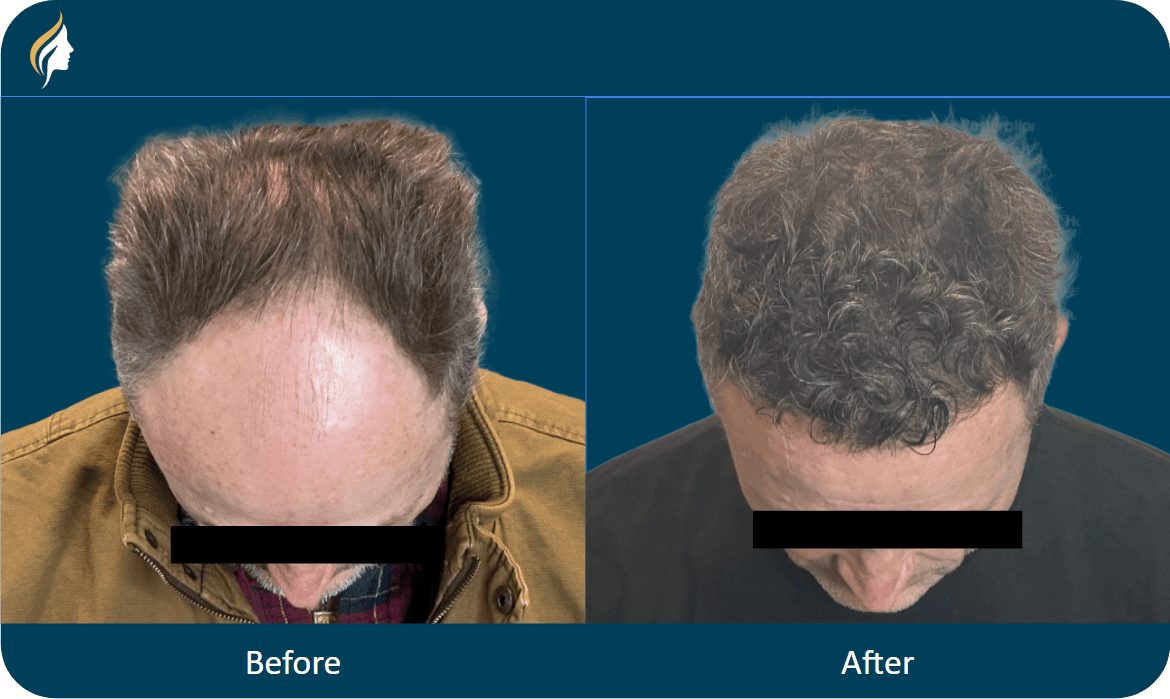
A hair transplant moves healthy, genetically resistant hair follicles from the back or sides of the scalp (the donor area) to areas where hair has thinned or stopped growing (the recipient area). These transplanted follicles typically continue growing for years because they retain their original genetic programming.

Key Benefits

  • Natural results using your own hair

  • Permanent, long-lasting improvement

  • Helps restore hairline, crown density, and overall fullness

  • Suitable for both men and women with adequate donor supply

Hair Transplant Techniques Offered at The Petrus Center
Follicular Unit Extraction (FUE)

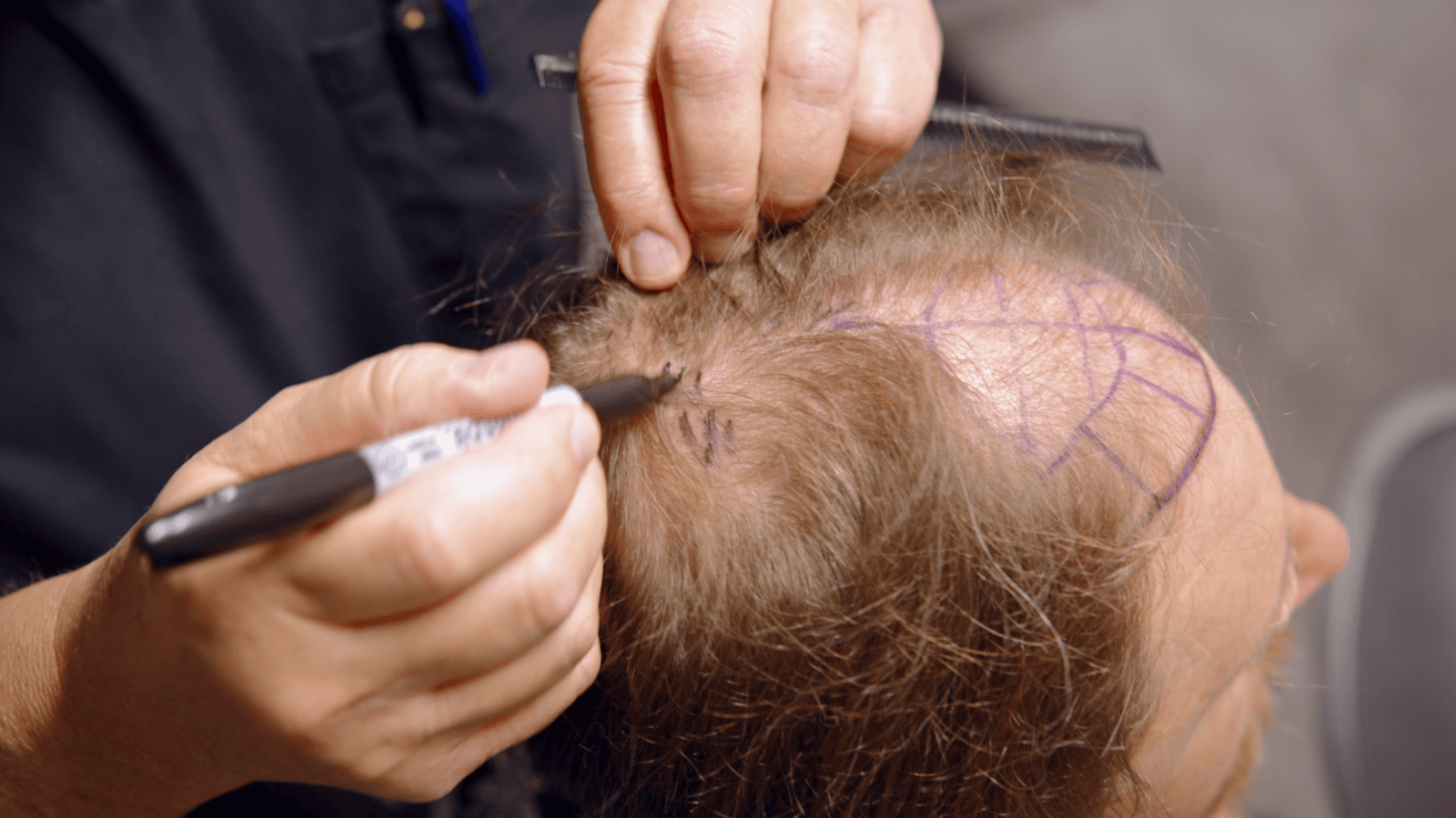
FUE is a modern technique in which individual follicular units are harvested through tiny circular incisions.

Advantages:

  • No linear scar

  • Faster healing of the donor area

  • Ideal for patients who wear shorter hairstyles

  • Best for mild to moderate hair loss, patients who prefer minimal downtime or want to avoid a strip scar.

    Follicular Unit Transplantation 
    (FUT / Strip Method)

    FUT involves removing a narrow strip of scalp from the donor area. Under magnification, this strip is carefully dissected into follicular units for transplantation.

    Advantages:

  • Allows a high graft count in a single session
  • Often preferred for more advanced hair loss

  • No haircut required / minimal cosmetic downtime

  • Best for patients needing significant graft numbers, or those who wear longer hair that easily conceals the donor scar.
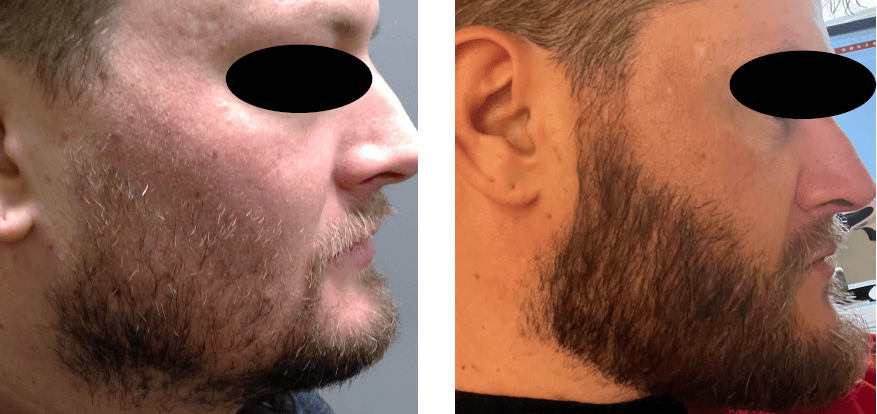
    Beard Hair Transplant

    Achieve the dense, masculine beard you desire with the surgical expertise of Dr. Gary Petrus. Whether you are looking to fill in patchy areas, conceal facial scars, or establish a stronger jawline, we can achieve natural looking results

    Advantages:

  • Grafts are placed at precise angles to mimic natural facial hair growth.
  • Transplanted hair grows for a lifetime and can be shaved and styled normally.

  • Tailored to fill goatees, sideburns, or full beards based on your aesthetic goals.

  • Best for men who want full, thick, masculine facial hair.

    Eyebrow Hair Transplant

    Eyebrow transplantation is a delicate procedure requiring significant skill to ensure each hair is placed at the correct angle and direction, mimicking natural growth. Dr. Petrus creates a customized brow shape that frames your eyes and enhances your facial symmetry using your own permanent hair.

    Advantages:

  • Custom-shaped arches tailored to your unique facial structure.
  • Grafts are placed flat against the skin for a completely authentic look.

  • A lifelong solution to thinning brows caused by genetics or over-plucking.

  • Best for patients who want to restore thinning brows to frame their face.
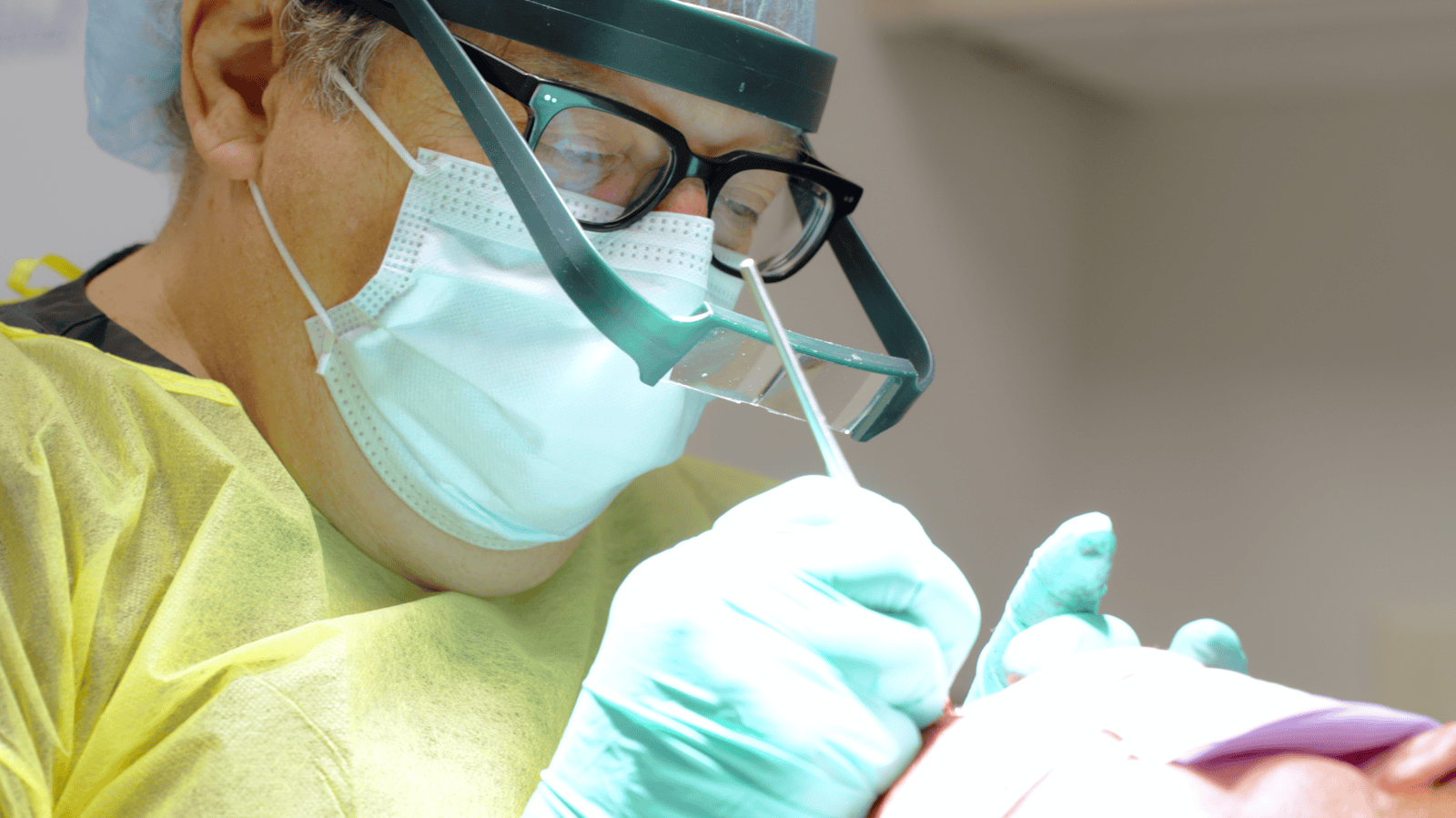
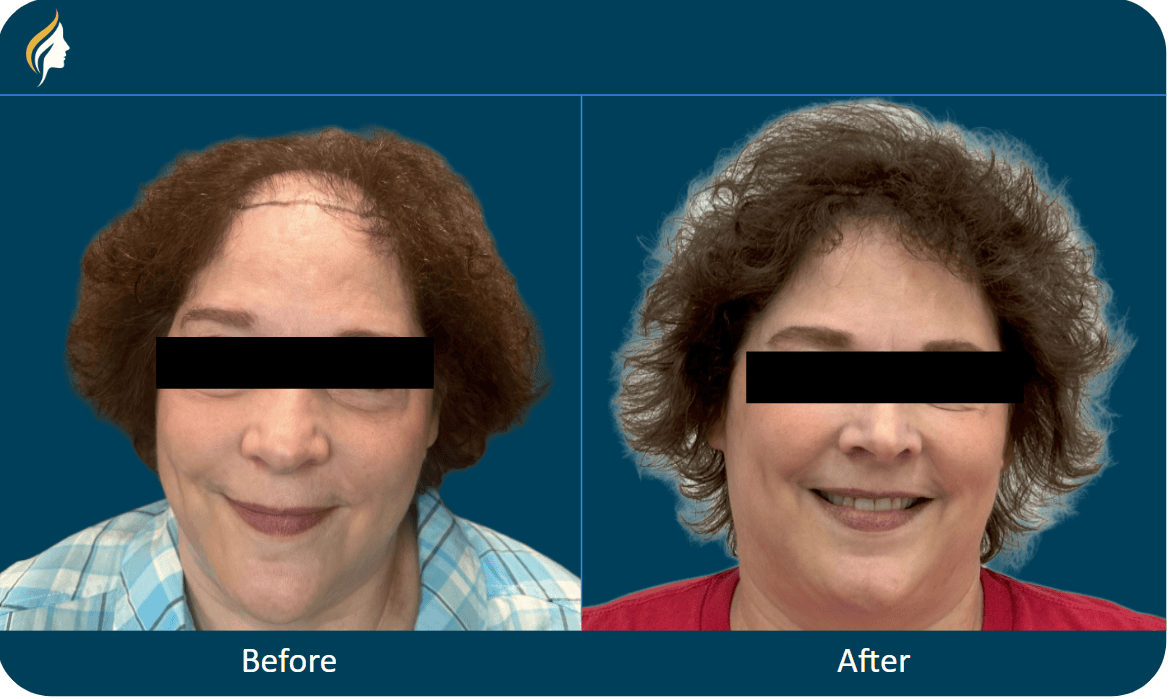
    Natural, Permanent Results
    30+
    Year experience

    99%
    Graft Survival

    2 Million +
    Planted hair grafts

    Non-Surgical Hair Restoration

    Not every patient needs or is ready for surgery. Some benefit from non-surgical therapies that support existing hair, improve scalp health, or enhance the results of a hair transplant.

    Platelet-Rich Plasma (PRP) Therapy

    PRP uses concentrated platelets from your own blood. These platelets contain natural growth factors that help support healthier hair follicles. PRP is often used as a stand-alone treatment for early thinning or as an adjunct to surgery to encourage better overall scalp environment.

    Growth Factor / Biologic Scalp Therapies

    Advanced biologic solutions containing growth factors can help support follicle health and may complement both surgical and non-surgical plans. These therapies aim to improve scalp condition and help preserve native hair.

    Medical Hair Loss Management

    When appropriate, patients may also be evaluated for medical therapies that help slow progression of genetic hair loss. These options can be used alone or in combination with surgical restoration depending on individual circumstances.

    Scalp Micropigmentation (SMP)

    Using micropigment technology, akin to a hair tattoo, we can create the cosmetic appearance of hair, filling in thinning areas with instant and lasting results.

    Consultation

    Over Zoom, we review your history and goals, and assesses whether FUE, FUT, non-surgical approach is appropriate.

    Intake

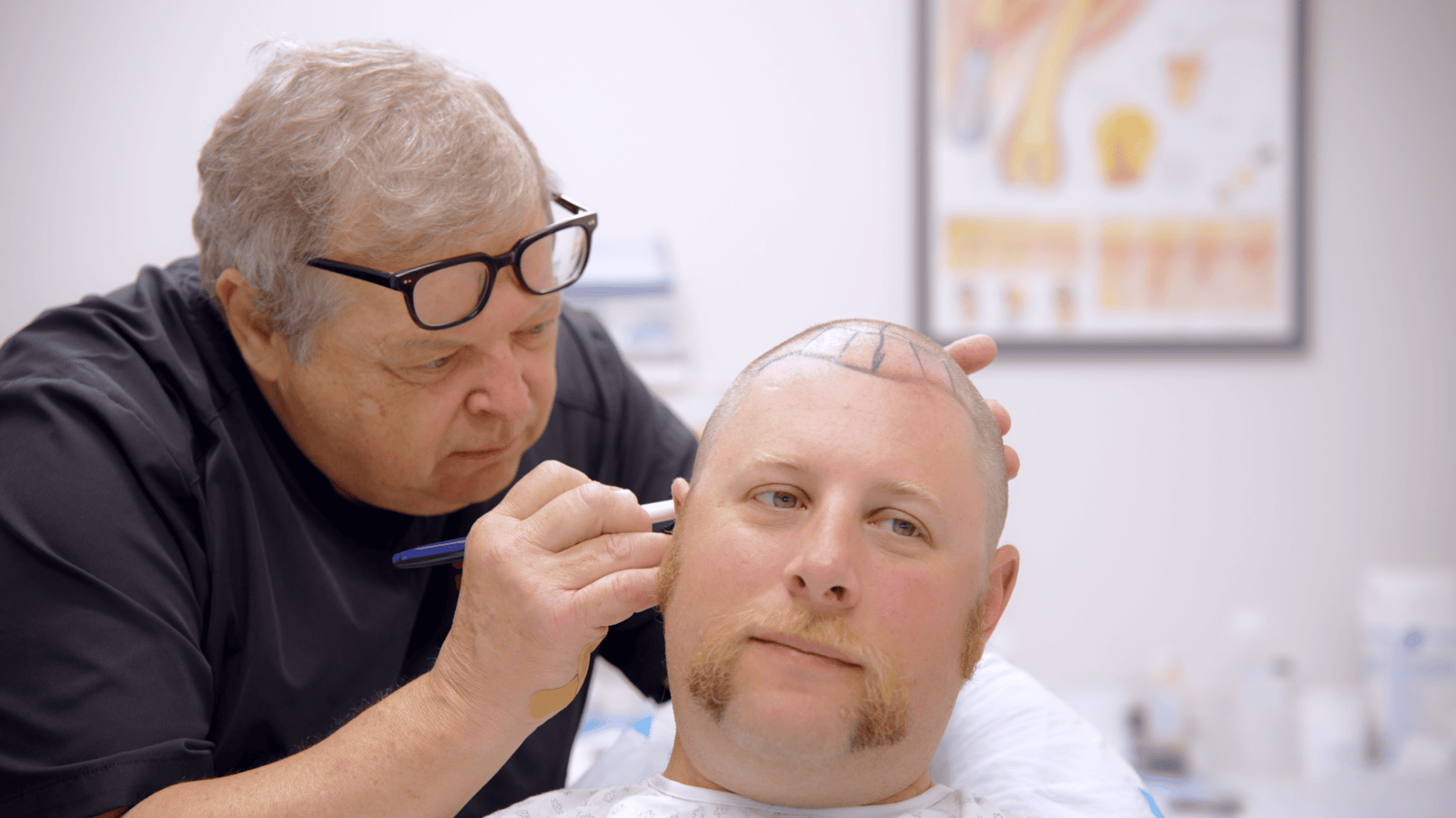
    On treatment day, we outline the hair restoration design precisely according to your needs

    Treatment

    Hair transplants and PRP are performed using local anesthesia. Most patients relax, listen to music, or watch TV during much of the process.

    Results!

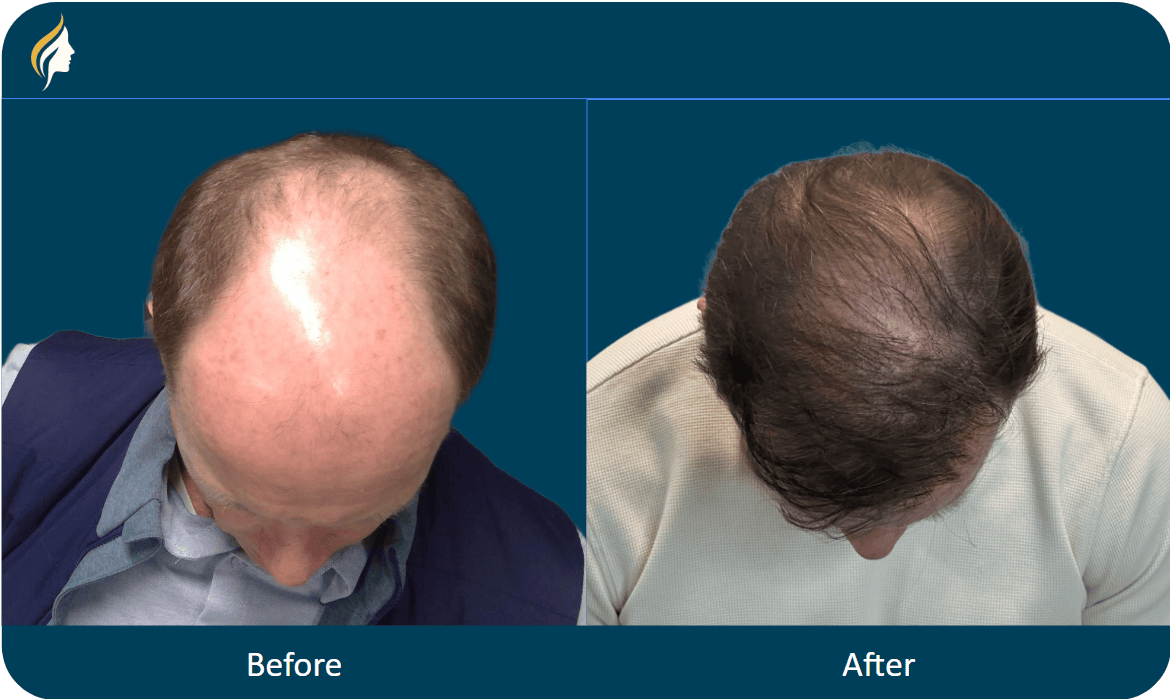
    New growth typically begins around 3–4 months and continues to thicken over 9–12 months. Transplant results are permanent.

    Frequently Asked Questions (FAQs) about Hair Restoration

    Are hair transplants from Dr Petrus permanent?

    Yes.

    A hair transplant is generally permanent because the follicles used for transplantation come from areas genetically resistant to pattern hair loss. Most patients enjoy lifelong results, though natural age-related thinning of surrounding hair can still occur. A long-term plan helps maintain the best outcome.

    What causes male and female pattern balding?

    Age, hormones, and genes.

    Androgenetic alopecia is a progressive hereditary condition that causes specific hair follicles to be sensitive to hormones that cause hair loss. With male pattern baldness, hair loss typically occurs on the top and front of the head. With female pattern baldness, thinning occurs across the scalp and is particularly noticeable on the center part-line or the hair line. There is no evidence to suggest that use of hats or the frequency of shampooing affects hair loss.

    Am I a good candidate for a hair transplant?

    Almost every person with pattern hair loss is a candidate for hair transplantation.

    You may be a candidate if you have:

    • Pattern hair loss (receding hairline or thinning crown)

    • Adequate donor hair at the back or sides of your scalp

    • Overall good health

    • Realistic expectations about density and coverage

    A consultation with the Hair Restoration Institute at The Petrus Center includes a scalp evaluation, donor density assessment, and personalized recommendations.

    How much downtime is required after a hair transplant?

    Typically 1 week

    Most patients return to non-physical work within a day. Small scabs typically shed in 7–14 days and can be concealed by a loose-fitting baseball cap starting on the third day after the transplant. Strenuous exercise, heavy lifting, and heavy sweating are commonly paused for a short period based on individual instructions.

    When will I see results from my hair transplant?

    Final results in 9-12 months.

    Transplanted hairs often shed within the first few weeks—this is normal. Once they do, the recipient area will return to how it looked before the procedure, sometimes with added pinkness. New growth usually begins around 3–4 months, with significant improvement at 6 months and full maturation between 9–12 months. The most important thing is to be patient after a hair transplant and wait for it to fully mature before assessing results. 


    All clients of the Petrus Center will be scheduled for a complimentary check-up 1 year after their procedure.

    Do hair transplants look natural?

    Yes—when performed by a trained specialist like Dr Petrus

    Natural results depend on proper hairline design, graft placement, and matching your hair’s natural angle and direction. Dr. Petrus’s fellowship training in facial plastic surgery and his decades of experience with thousands of patients ensures a refined, natural appearance.


    Most clients prefer to bring photos of their hairline as it was before their hair loss, and we will work to restore that appearance as if the hair loss never happened.

    How many grafts do I need for a hair transplant?

    It depends on a number of factors

    Typical ranges:

    • Hairline refinement and scars: 800–1,500 grafts (Norwood 1-2)

    • Moderate hairline + temple recession: 1,500–2,500 grafts (Norwood 3-5)

    • Crown restoration: 1,200–2,000+ grafts

    Every patient is unique. Graft counts depend on hair characteristics, donor supply, and goals. Those with a high color contrast between hair color and skin color will require a higher density of hair grafts, while those with curly hair typically require less. 

    How much does a hair transplant cost in Arkansas?

    Most cases in Arkansas cost $9,999-12,999

    Costs vary based on the number of grafts, technique (FUE or FUT), and case complexity. Because each patient’s needs are unique, the most accurate pricing comes from a zoom consultation or reviewing detailed photos.


    With the financing options available at The Petrus Center many clients can complete their procedure for less than $549 per month with 0% interest.

    The Petrus Center rewards veterans, first responders, and public school teachers with a 10% discount on Hair Transplants up to $1000 off.

    How much does PRP cost in Arkansas?

    Packages start at $2,999

    Platelet Rich Plasma (PRP) Therapy is generally completed as a series of treatment scheduled over a few months. Generally, we complete 1 PRP treatment each month for 3 months, followed by a booster treatment 3 months after that.

    Ready to take the next step? Book a free consultation at The Petrus Center